Lagos, Nigeria. 15 June 2026 at 22:02.
Tech moves from demo plots to real farms in 2026
This planting season, agricultural technology in Nigeria is shifting from “conference topic” to everyday farm tools. The focus is practical, low-cost tech that solves 3 problems farmers face yearly: bad weather timing, soil guesswork, and crops spoiling after harvest.
Federal programs, state projects, and agri-tech startups are pushing solutions that don’t require big loans or imported machines. The goal for 2026: help smallholder farmers produce more per hectare and lose less after harvest.
4 agri-tech trends farmers are using now
1. Soil testing sensors for fertilizer decisions
Handheld soil sensors and LGA-level soil testing labs are spreading in 2026. Instead of applying fertilizer by “what neighbor used,” farmers get a simple phone result showing NPK levels in their plot. Cost: often free through extension programs or ₦500-₦1,000 per test. Result: less wasted fertilizer and better maize, rice, and cassava yields.
2. Solar dryers and cold boxes to cut post-harvest loss
For tomatoes, pepper, fish, and fruits, solar-powered dryers and insulated cold boxes are showing up in clusters. A group of 10-20 farmers shares one unit. Crops that would spoil in 2 days now last 2-3 weeks. This means farmers can wait for better market prices instead of selling at harvest glut. Women cooperatives in North-Central and South-South are leading adoption.
3. Weather SMS/voice alerts in local languages
Mobile advisory services send 3-day rainfall and dry-spell alerts straight to farmers’ phones as SMS or voice notes in Hausa, Yoruba, Igbo, and Pidgin. Timing matters: knowing when rain will pause helps farmers plan planting, spraying, and harvesting. 2026 versions are more local, using data from weather stations installed at LGA level.
4. Digital farm record and market linkage apps
Simple USSD and WhatsApp-based apps let farmers record farm size, input costs, and expected harvest. The apps also connect farmer groups directly to off-takers, mills, and processors. This cuts out 2-3 middlemen and gives farmers price transparency before harvest.
Why adoption is faster in 2026
3 things changed:
1. Training through cooperatives: Extension agents now train 1 farmer who trains 20 others in the same village. Peer learning works better than big seminars.
2. Pay-as-you-go models: Solar dryers and sensors are rented by the season instead of bought outright.
3. Local fabrication: Nigerian fabricators are building dryers, threshers, and storage bins locally, cutting costs by 30-40% vs imports.
Challenges still to fix
Farmers say 3 issues slow adoption: repair services in rural areas, weak network coverage for apps, and trust. Many farmers will try tech only after seeing it work on a neighbor’s farm for one season.
Outlook for rest of 2026
As the main harvest approaches from August, the test for agri-tech will be post-harvest handling. If solar dryers and storage tech reduce losses by even 20%, farmer income rises without planting more land.
Government and private partners are targeting irrigation tech and tractor-hire apps next. The idea: move from “plant and pray” to “plant, monitor, and store.”
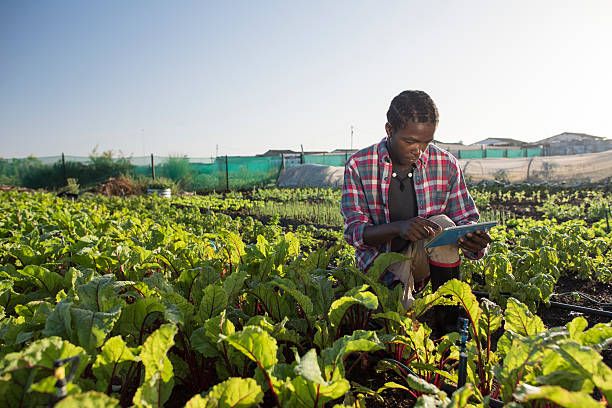
NIGERIAN FARMERS ADOPT LOW-COST TECH IN 2026 TO CUT POST-HARVEST LOSS AND BOOST YIELDS
Solar dryers, soil sensors, and mobile advisory services expand beyond pilot farms. All trends described are based on general 2026 patterns in Nigerian agriculture.
Maximum Efuru • 10 min read