
15 June, 2026. 20:28.
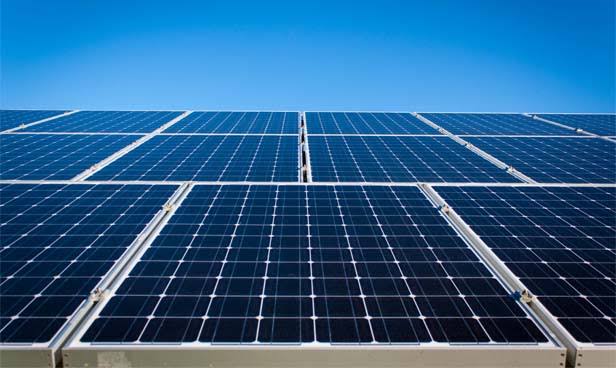
CALABAR — Power bills and generator costs are pushing small businesses across Cross River State to rethink energy. In 2026, a growing number of shop owners, cold room operators, and workshops are switching to solar systems to keep running without the stop-start cycle of grid outages.
For many SMEs, electricity is the biggest monthly expense after rent and staff. A typical barber shop in Calabar South spends ₦25,000-₦40,000 monthly on diesel. A cold room in Ikom can burn through ₦80,000+ when the grid goes down for days. Solar is now cutting those bills by 40-70% for businesses that invest upfront.
From generators to panels
Mama Nkechi runs a frozen food shop in Watt Market, Calabar. She installed a 3kVA solar system with lithium batteries in January 2026.
“Before, I was buying diesel every two days. Some weeks I’d spend ₦15,000 just to keep the freezers on. Now the panels charge during the day and the battery carries us through the night. My diesel bill dropped to almost zero,” she said.
Technicians say demand is highest from businesses that lose money when power cuts interrupt work: welding shops, POS agents, barbing salons, and eateries. A 1kVA system that runs lights, fans, and a TV now costs ₦350,000-₦500,000 installed. A 5kVA setup for a small workshop with machines runs ₦1.2m-₦1.8m.
Rural LGAs see fastest growth
In LGAs like Obanliku, Boki, and Yala where grid power is limited, solar mini-grids and standalone systems are filling the gap. Farmers use solar water pumps for dry-season irrigation. Pharmacies in Ogoja use solar fridges to store vaccines and drugs.
The shift is also creating jobs. Young technicians in Calabar and Uyo now train in solar installation, battery maintenance, and load calculation. “Every shop that installs solar needs someone to service it twice a year,” said Emeka, a solar installer based in Marian. “That’s steady work.”
Challenges remain
Industry players say 3 issues still slow adoption: upfront cost, fake/below-spec panels in the market, and lack of after-sales service in rural areas. To manage cost, some SMEs now buy systems in phases — start with lights and fans, add the freezer later.
Financial institutions are also testing “solar loans” where businesses pay monthly from energy savings instead of upfront.
Outlook for 2026
With fuel prices volatile and grid supply still inconsistent, solar is moving from “backup option” to “primary power” for many Cross River businesses. Entrepreneurs who solve the financing and maintenance gaps are finding strong demand.
For small business owners, the math is simple: fewer generator hours = lower cost = longer opening hours = more sales.