Original Feature, 15 June 2026, 22:30.
Who are the Bekwarra
The Bekwarra are an ethnic group found mainly in Bekwarra Local Government Area of northern Cross River State, Nigeria. Their towns and villages — including Gakem, Afrike, and Abuochiche — sit on rolling hills and fertile plains that border Benue State. Farming is the heartbeat of Bekwarra life, and the land has shaped their history for centuries.
Though they are part of the larger Tivoid language family, the Bekwarra have a distinct identity, dialect, and set of customs that set them apart. Their name, history, and culture tell the story of a people who migrated, adapted, and built strong communities around agriculture and kinship.
Roots and migration
Oral tradition among Bekwarra elders traces their origin to migration from the north and east, long before colonial rule. The story passed down is that early ancestors moved southward in search of fertile land and peace, away from conflicts that affected the Benue Valley centuries ago.
They settled on the hills and valleys of present-day northern Cross River because the soil was good for yam, cassava, and beniseed, and the hills offered defense. As families grew, they formed village clusters. Each village was led by a council of elders, with the “Ugwene” or traditional head guiding decisions on land, disputes, and festivals.
This migration history explains why Bekwarra language and some customs share similarities with groups in Benue, yet their art, marriage rites, and festivals are uniquely Cross River.
Agriculture: the foundation of Bekwarra society
If there is one thread that runs through Bekwarra history, it is farming. For generations, Bekwarra families have been known as skilled farmers. Yam is the king of crops — planting and harvesting yam is tied to the calendar, festivals, and social status. A man’s ability to produce big yams was once a sign of responsibility and readiness for marriage.
Beyond yam, Bekwarra farmers grow cassava, maize, rice, beniseed, and vegetables. The practice of “group farming” and communal labor, called _ebenkem_ in local dialect, helped villages clear large farms quickly. Young men and women would move from one farm to another, working together while singing and sharing food. That spirit of communal work remains strong today.
Culture, festivals, and identity
Bekwarra culture centers on respect for elders, extended family, and the land. Marriage is a community affair, not just a union of two people. Traditional dances, drumming, and masquerades mark major events like harvest, child naming, and funeral rites.
One of the best-known cultural expressions is the “Ipem-Ihihe” New Yam Festival, celebrated yearly by Bekwarra and neighboring groups. It is a time of thanksgiving to God and the ancestors for harvest, forgiveness of old grudges, and prayers for the next planting season. During Ipem-Ihihe, villages compete in traditional dances, wrestling, and display of farm produce. It strengthens unity and reminds younger generations of their roots.
Bekwarra architecture also reflects history: old compounds were built with mud walls and thatched roofs, arranged to protect family and livestock. Even as modern buildings rise, the layout of many villages still follows that old communal pattern.
Colonial era to present
Like other Cross River groups, the Bekwarra came under British administration in the early 1900s as part of the Obudu Division. Colonial rule introduced Western education, Christianity, and new trade routes, but Bekwarra communities kept their language and farming system.
After Nigeria’s independence in 1960 and the creation of Cross River State in 1967, Bekwarra LGA was formally established. Today, Bekwarra people are farmers, teachers, civil servants, traders, and professionals across Nigeria. Yet many still return home for planting season or for Ipem Ihihe, because “home soil” remains central to their identity.
Bekwarra today: preserving heritage while moving forward
In 2026, the challenge for Bekwarra youth is balance: keep the language and festivals alive while embracing education, agri-tech, and new opportunities. Community associations at home and in cities like Calabar, Lagos, and Abuja now run programs to teach Bekwarra dialect to children born outside the LGA.
Elders say the greatest legacy is not just land, but values: hard work, honesty, respect for elders, and unity. “Our fathers farmed these hills with cutlass and hope,” one Gakem elder put it. “If we keep that spirit and add knowledge, Bekwarra will keep growing.”
A people defined by the land
The history of the Bekwarra is a history of movement, farming, and community. From northern migration routes to the fertile hills of northern Cross River, they built a society where the farm, the festival, and the family hold society together.
As Nigeria changes, the Bekwarra story reminds us that every group carries history in its language, its food, and the way it welcomes strangers. For the Bekwarra, that history is still being written — one planting season at a time.
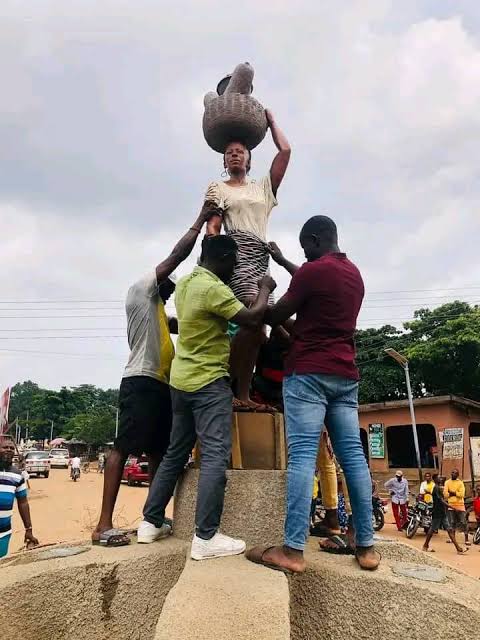
THE BEKWARRA PEOPLE: A STORY OF MIGRATION, AGRICULTURE, AND CULTURAL RESILIENCE
From northern roots to the heart of Cross River’s food basket. All content is created fresh based on general historical and cultural knowledge of the Bekwarra people.
Maximum Efuru • 15 min read