
15 June, 2026. 15:21.
CALABAR — When Maximum Efuru Fredrick conceived the idea of Cross River Eco Energy in 2023, it began as a bold vision: harness Cross River State’s rare earth minerals, sell to US and European offtakers, and use the proceeds to build a 120-megawatt power plant in phases for the state.
An October 2023 meeting with the Deputy Governor and Commissioner of Power in Calabar helped shape that roadmap. But nearly three years in, the company is adjusting course after confronting the scale of mining and energy development.
“Along the line, we realized the complexities in mining, realizing that mining and power generation are both massive projects that cannot be driven simultaneously, especially when there’s resource constraints. As a result, we are adjusting strategy,” Fredrick said.
The Gold Fields Reality Check
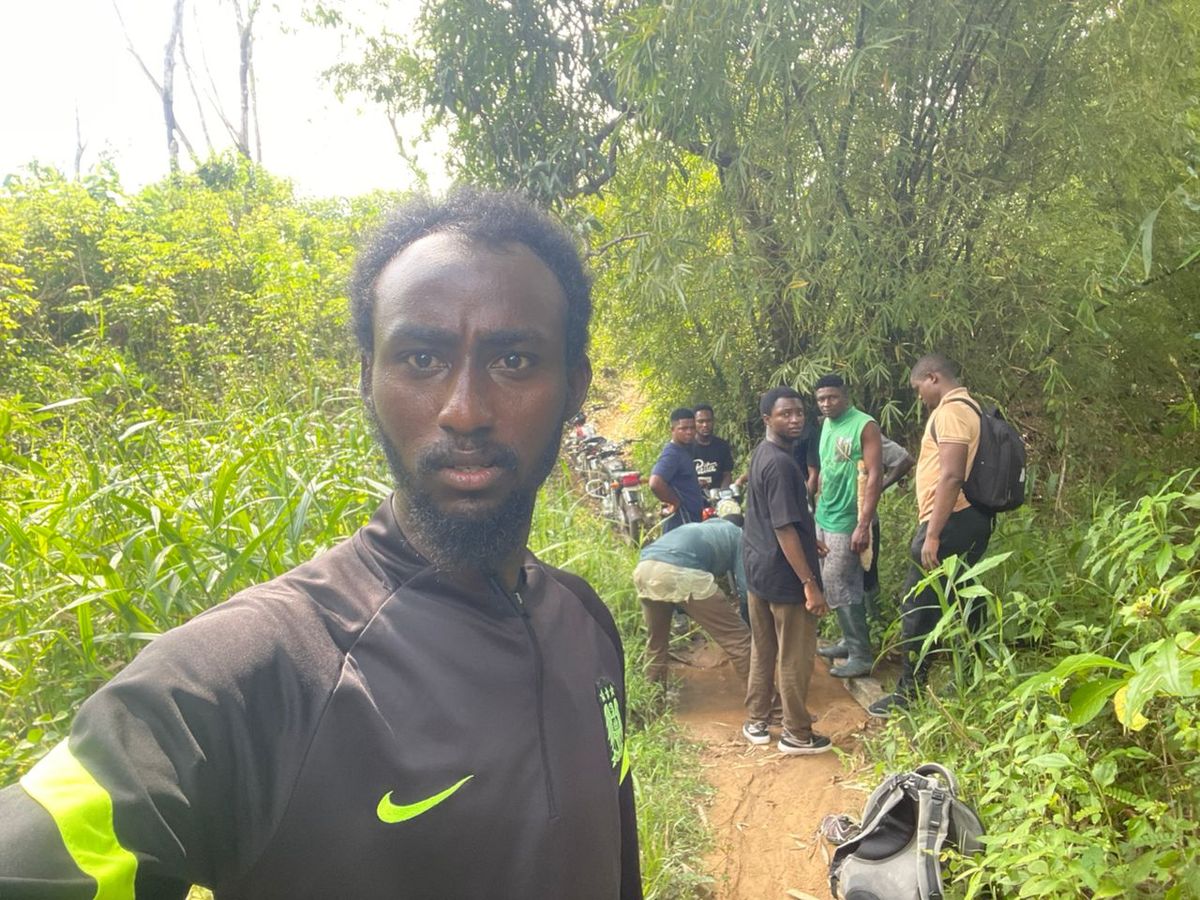
To understand the terrain, Fredrick spent one week deep in the bush areas where Cross River Eco Energy holds gold mining licenses. The sites, long occupied by illegal miners before government intervention, are located far from paved roads.
“I spent one week in the areas we secured gold mining licenses on, deep inside the bushes of Cross River State,” he said. “We were there to identify the parts with the most gold deposits to ascertain where to keep machinery when we deploy them to the site.”
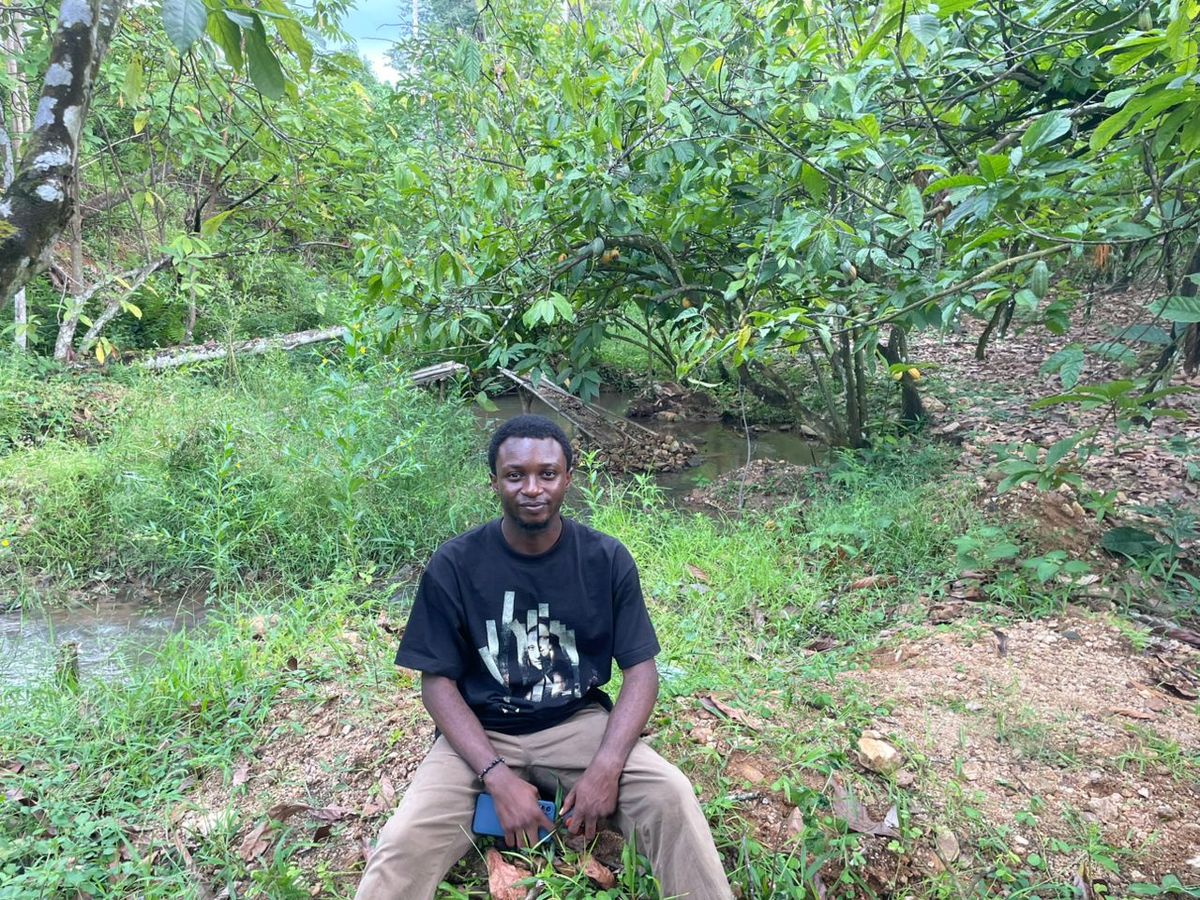
The end goal remains energy access. Cross River has 18 local government areas, but only 3 currently have access to electricity. “We are aiming to build a 120 megawatts powerplant to power Cross River State; a state where only 3 out of 18 local government areas have access to electricity,” Fredrick stated.
His financing model is deliberate: no foreign loans or grants. “Like I told the government of Cross River State, we will not do this through loans, or grants from Europe or America or elsewhere. Africa holds the key to its economic transformation through rare earth minerals. Our vision is to harness these minerals for export, then use the proceeds to fund Cross River State’s energy transformation.”
Key Challenges on the Ground
Two major hurdles have slowed deployment of machinery:
1. Access and Infrastructure
The mining sites are deep inside forested areas with limited or no roads. “On a motor bike, one could take an hour to get into the mines. This presents a challenge of getting mining machinery into the fields.”
2. Deposit Mapping
The company is still conducting exploration to pinpoint high-yield zones. During fieldwork, Fredrick interviewed artisanal miners who claimed to extract up to 100 grams of gold per day through manual labor. However, large-scale deposits needed for industrial mining have not yet been confirmed. “To date, I have not been able to determine where these deposits could be found in the largest of quantity. As a result, machinery haven’t been deployed to site.”

Rejecting Artisanal Partnerships
While artisanal mining could offer short-term output, Fredrick says it won’t meet the volume required to fund a 120MW plant. He has also declined offers from former illegal miners who were displaced by government operations.
“I have been approached by a number of the illegal miners who were chased out of the mining areas by the government; they wanted me to give them access to the mines to continue their activities with the promise of giving me 50% of whatever they get. But that makes no financial sense to me, so I declined knowing the risks that can come with giving them access to our mines.”
What’s Next
Cross River Eco Energy is now focused on detailed geological surveys and infrastructure planning before any equipment is moved to site. The adjusted strategy prioritizes mapping viable mineral deposits first, then scaling extraction to generate export revenue for the power project.
If successful, the model could offer a template for African energy development: resource-backed, self-funded, and locally driven.